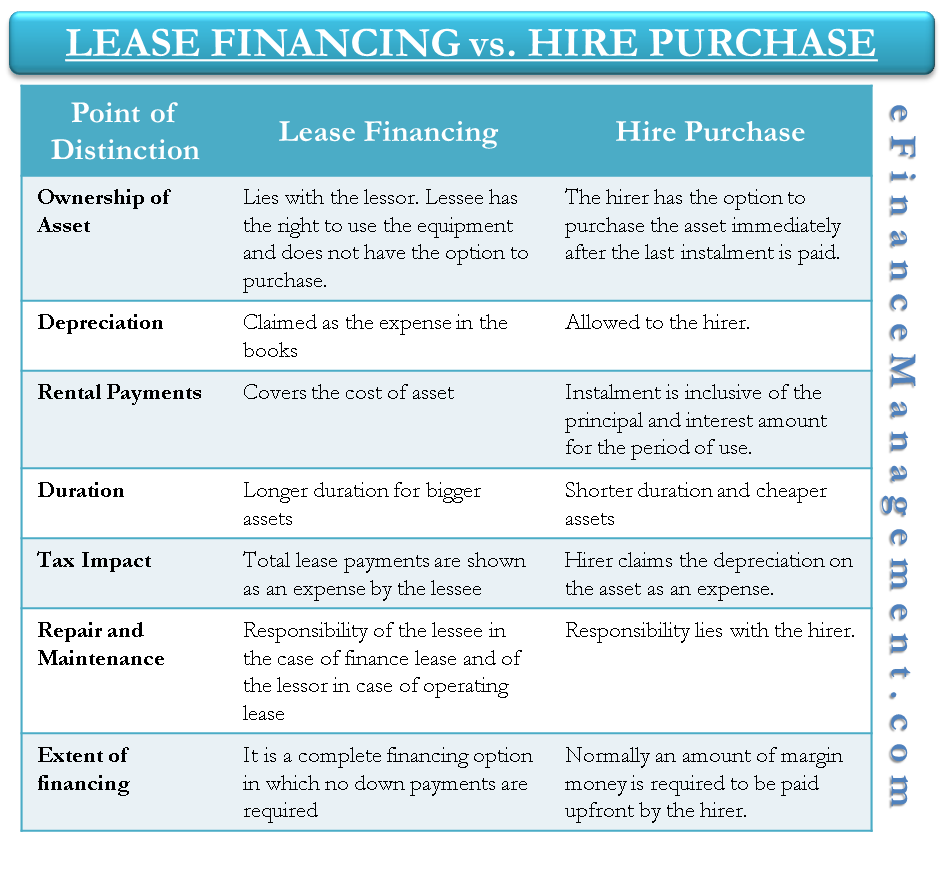
The assignee has a lien on the automobile and can repossess if you do not pay. Co-signer A co-signer is a personsuch as a moms and dad, close member of the family, or friendwho pledges to pay back the loan if you do not. This can be a benefit both to you and your lender. A co-signer takes complete obligation to repay the loan. Having a co-signer on your loan provides your lender additional guarantee that the loan will be paid back. If you do not repay your loan, your co-signer will be responsible for payment even if the co-signer never drove your car. If you've been asked to co-sign a loan, you must consider how it will affect your financial resources. In some states, the law enables the lender to reclaim your car without going to court. To find out more, including meanings of typical terms used when financing or renting an automobile, check out "Comprehending Car Financing," jointly prepared by the American Financial Solutions Association Education Foundation, the National Automobile Dealers Association, and the FTC. To purchase print copies of "Understanding Lorry Financing," call the AFSA Education Foundation: (888) 400-7577.
A financing charge is a cost imposed on a consumer for getting credit. Financing charges include interest on financial obligation balances and any additional costs imposed by the credit-issuing entity. Listed below, you'll find common examples of finance charges that consumers face, and some suggestions for minimizing the impact of these charges. A financing charge is any cost a customer encounters in the procedure of acquiring credit and repaying debt. Finance charges usually come with any form of credit, whether it's a charge card, a service loan, or a mortgage. Any quantity you pay beyond the quantity you borrowed is a financing charge.
Among the benefits of having a credit card is that you can obtain money without needing to settle your balance completely on a monthly basis. However, taking your time to repay your financial obligation comes at a cost. Your company will charge interest on any balance not paid off by the end of the month. That interest cost is a finance charge. If you miss a minimum payment due date that falls outside of a grace period for your charge card, you might be charged a late payment charge, which is another example of a financing charge. Funding financial obligation is huge service in the U.S.

3 trillion. That's a 1. 1% increase given that the 4th quarter of 2019, when household financial obligation was currently 26. 8% higher than what is the average cost to get out of a timeshare it was in 2013. The majority of that financial obligation (if not all of it) will come with finance charges such as interest charges and loan processing charges. Finance charges are calculated each billing cycle based upon the present prime rate. Since July 15, 2020, the Wall Street Journal computed the prime rate to be 3. 25%. This rate varies in response to market conditions and Federal Reserve policy, so your capacity finance charge might differ regular monthly (What is a note in finance). If you have a fixed-rate loan, the financing charge is less most likely to vary, though it might still fluctuate based upon elements such as your payment history and timeliness.
The Of What Does Ltm Mean In Finance
Credit card issuers may compute financing charges using your daily balance, an average of your day-to-day balance, the balance at the beginning or end of the month, or your balance after payments have been used. Your credit card contract may also include a minimum finance charge that's applied anytime your balance goes through a fee. For instance, your credit card terms may include timeshare seminar a $1 minimum financing charge, so if a billing cycle's charges are $0. 65, that'll be rounded up to $1. You can reduce the quantity of interest you pay by minimizing your balance, requesting a lower rate of interest, or moving your balance to a charge card with a lower rates of interest.
Financing charges can be noted in several put on your monthly credit card billing statement. On the first page of your billing statement, you'll see an account summary listing your balance, payments, credits, purchases, and any interest charges. In the breakout of deals made on your account during the billing cycle, you'll see a line product for your financing charge and the date the financing charge was assessed. In a separate area that breaks down your interest charges, you'll see a list of your financing charges by the kind of balances you're carrying. For instance, if you have a purchase balance and a transfer balance, you'll see details of the finance charges for each.
For mortgages, month-to-month payments are separated into primary and interest payments, in addition to extra costs like real estate tax. In this case, the "principal" part of payments wouldn't qualify as a financing chargeit just goes toward lowering your debt balance. The interest payments, on the other hand, are a financing charge. Making your minimum credit card payment is typically adequate to cover your financing charge plus a small portion of the balance. michael yaros Nevertheless, if you're only paying the minimum payment, your balance will not decrease by that muchit takes the bulk of a monthly payment simply to cover interest charges. Considering that your balance isn't decreasing substantially, you'll deal with another interest charge during the next billing cycle.
For those with substantial debt, the minimum payment may not cover the month's finance charge. In this case, paying the minimum will result in a bigger balance. Decreasing financial obligation will need payments beyond the minimum. A financing charge is an expense enforced on a customer who gets credit. Financing charges consist of interest charges, late costs, loan processing fees, or any other cost that exceeds paying back the quantity borrowed. For many forms of credit, the financing charge varies as market conditions and prime rates change.